
Context Princeton University Hackathon First Place
Focus UI/UX Design
Role Interaction Designer
Timeframe 1 day
Brief
This project was created by me and 3 other teammates at the Rehack hackathon at Princeton University. The theme for Rehack 2019 is social interactions: how can we create technology that makes human interactions more enriching and productive?
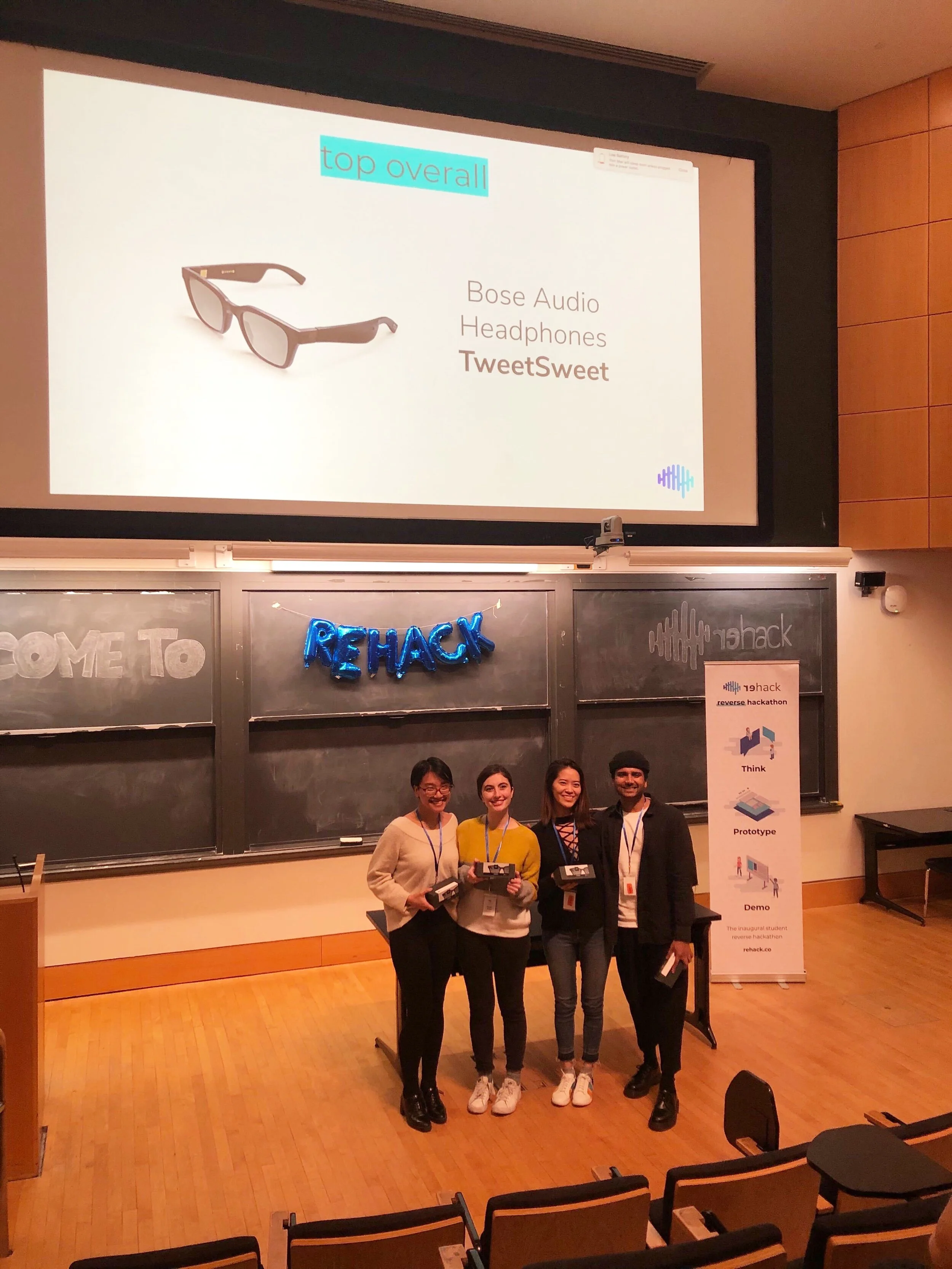
Our team won “Top Overall” with our 3-fold design solution “TweetSweet”.
1 in 6 Americans active on social media will regret 1 post they made this week.
Interestingly, most users who regret a tweet come to regret it through self-realization as opposed to feedback by others. This means that if we could trigger this self-realization earlier in the tweeting process, we could minimize tweet regret and the harmful consequences of negative tweets and hate speech on the internet.
TweetSweet
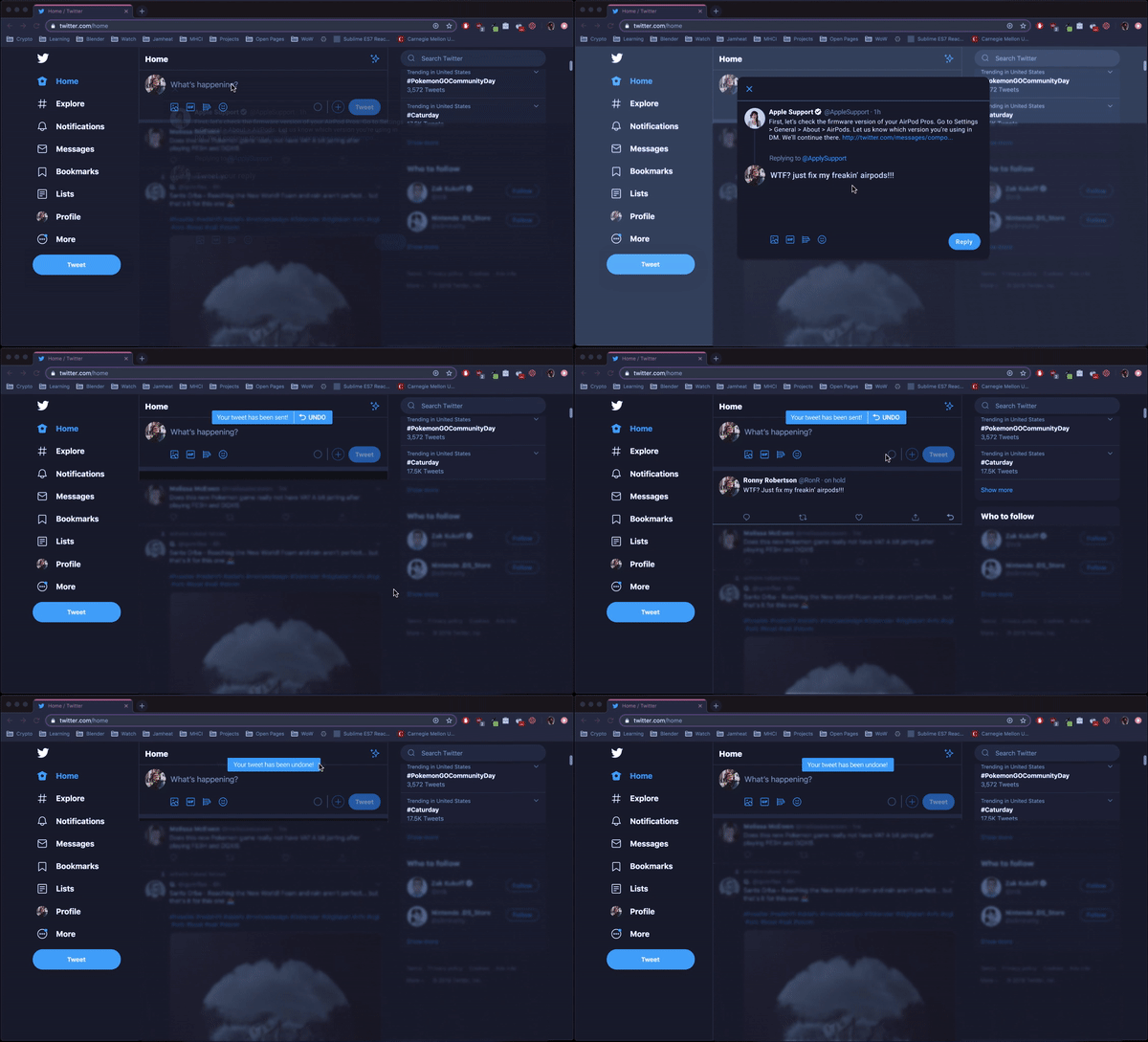
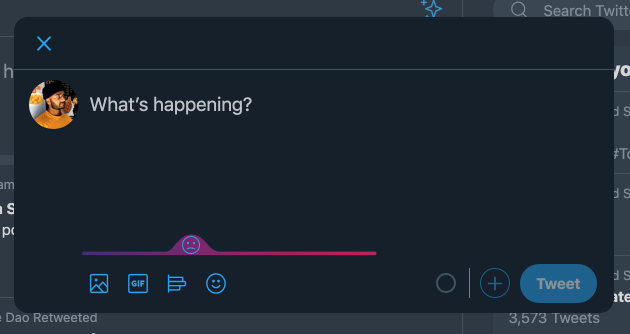
TweetSweet is a redesign of Twitter’s interface. Our solution is 3-fold: it will look at using 1) tweet previews, 2) real-time sentiment analysis, and 3) time delay undo to reduce regret.
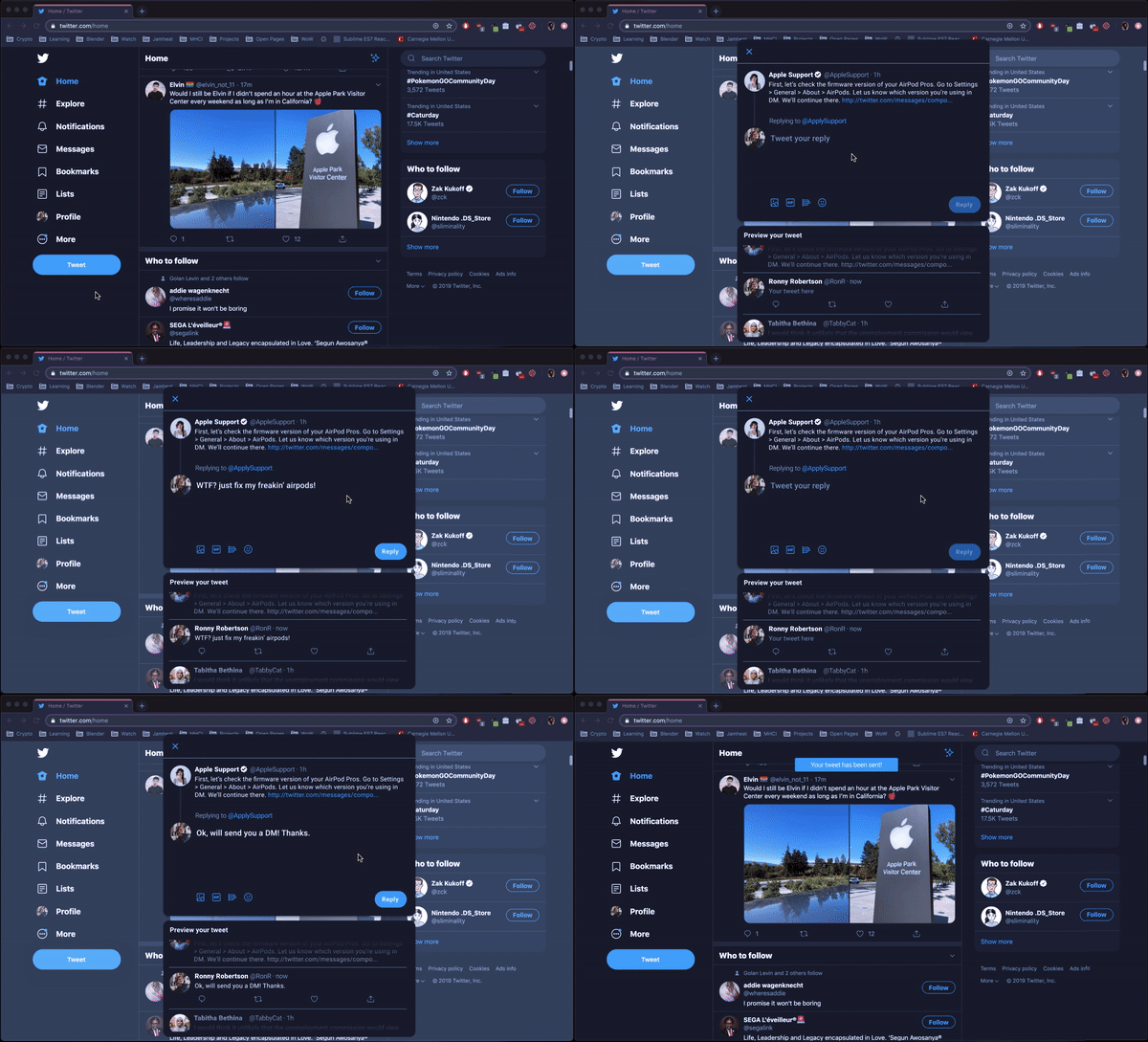
1) Tweet Preview
Showing a preview of the user’s tweet in a simulated newsfeed so that the user can picture how other users would view and react to the tweet.
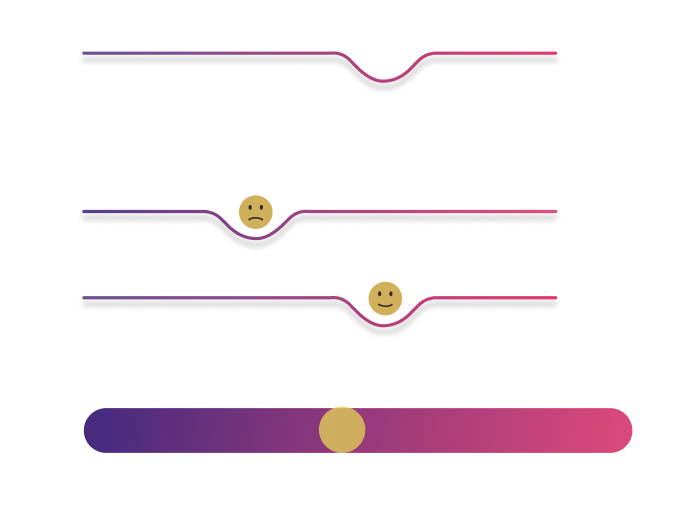
2) Real-time Sentiment Analysis
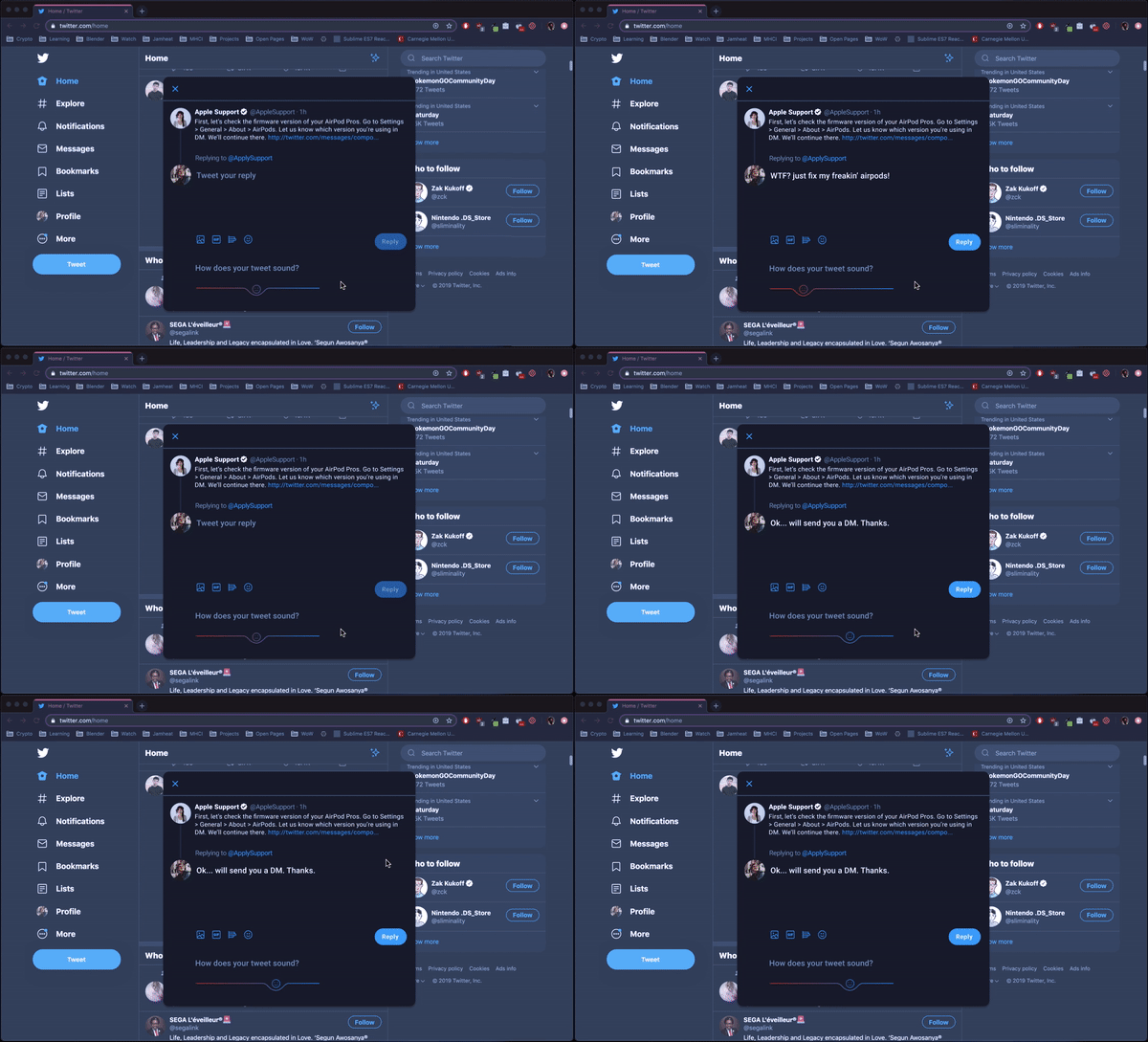
Including a sentiment analysis for each tweet as the user composes allows users engaging in compulsive tweeting to reflect on the tone of their tweet.
3) Time Delay Undo
Including even a small time delay with an undo function after a user sends a specific tweet provides the user an opportunity to temporarily correct an impulsive behavior.
Research and Ideation
Theories into Features
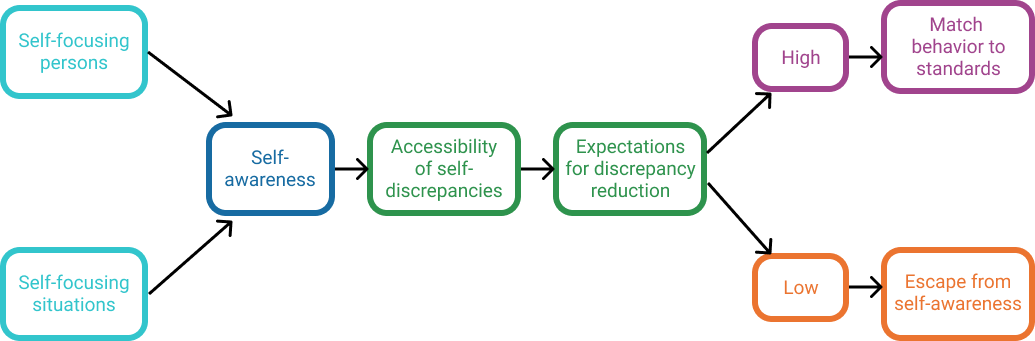
Self-awareness theory
01 Inward Attention
Situations that turn attention inward and cause users to reflect on how others perceive them can temporarily increase self-awareness. Self-awareness causes users to focus on their own identity, thoughts, or feelings.
v
Showing a preview of the user’s tweet in a simulated newsfeed turns attention away from the content of the tweet and inward to the user. The user can picture how other users would view and react to the tweet.
02 Self-Discrepancies
When self-awareness is triggered, gaps between the ideal self and the actual self are made salient. These gaps make the user uncomfortable. “I want to be a healthy person, but I just ate an entire pizza.”
v
When self-awareness is triggered, the user focuses on the discrepancy between the content of the tweet and the values held by the user’s ideal self.
03 Behavior Change
When a user has the chance to reduce this discomfort and bring the actual self in line with the ideal self, behavior change occurs.
v
To eliminate the discomfort caused by the discrepancy, the user re-evaluates the tweet, preventing later regret.
Curbing Impulsivity
01 Reflection
Interfaces that prompt users to reflect on behavior before posting a message have high-effectiveness because they encourage reflection while preserving autonomy.
v
Including a sentiment analysis for each tweet as the user composes allows users engaging in compulsive tweeting to reflect on the tone of their tweet.
02 Time
Impulsive acts, especially on social media, occur on small timescales. Adding even a few seconds delay on social media platforms has been shown to reduce posting regret.
v
Including even a small time delay with an undo function after a user sends a specific tweet provides the user an opportunity to temporarily correct an impulsive behavior.
Ideation and Prototyping
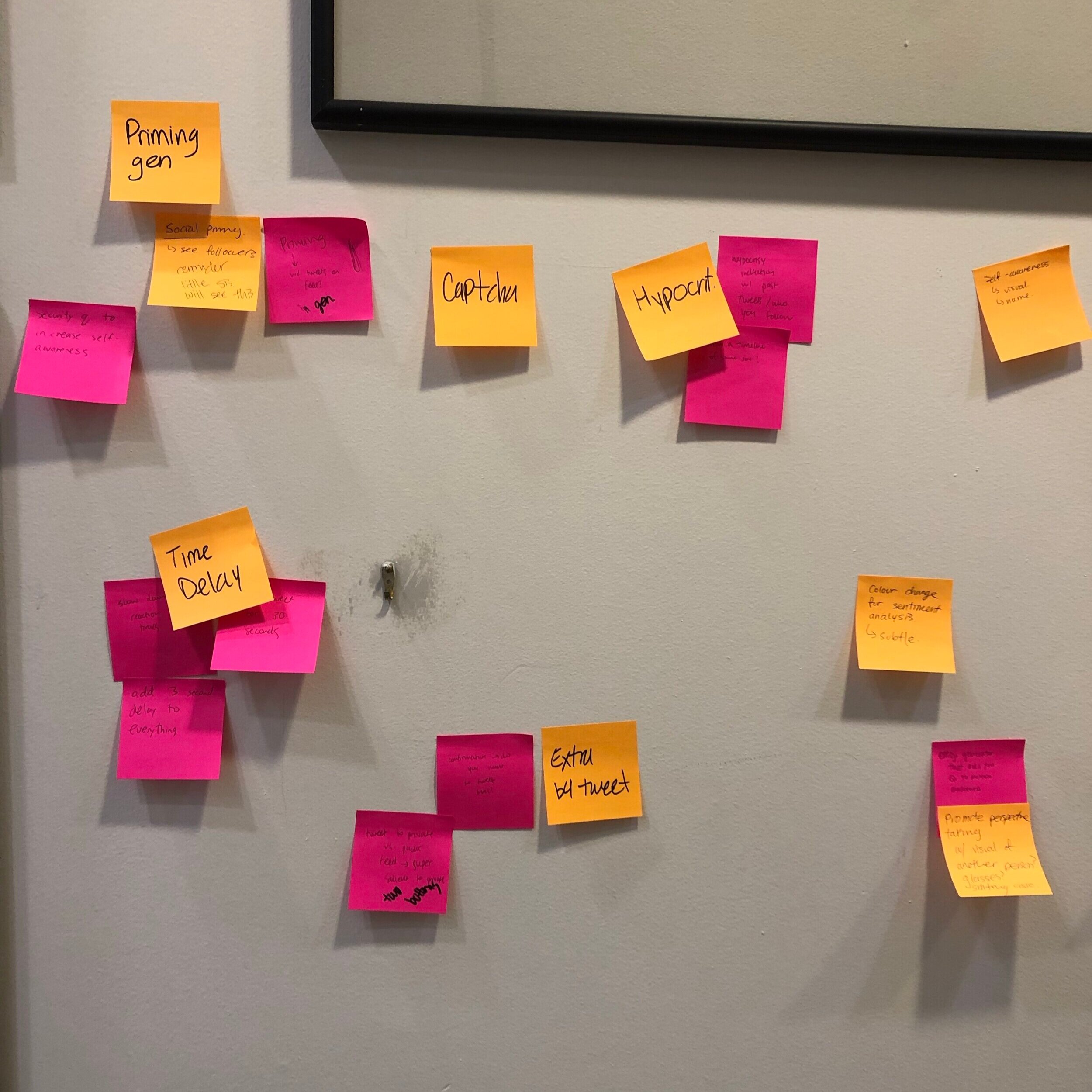
After understanding the problem space and some of the psychology behind self-awareness and system 2 thinking, we started ideating on the features that could be implemented onto Twitter to solve this problem. We conducted a crazy 8 session where we spent 8 minutes coming up with 8 ideas each then grouped them based on similarity. In the end, we chose 3 features to focus on in TweetSweet.
I explored and played with different types of mood bars and how they would interact as people type. I wanted colors to change when the emotions are different. Eventually I chose blue and red for the sentiment analysis to represent anger and calmness as you saw in the solution section above.
Next Steps
TweetSweet hypothesizes that our new features will reduce the rate of deleted tweets as a result of lowered tweet regret. We plan to test the effectiveness of our features through A/B testing, and we plan to measure users’ perceptions of these new features (including either their enjoyment or annoyance with these features) through open-ended surveys.
A/B Testing
Measuring number of deleted tweets pre/post intervention between groups
Qualitative Survey
Measuring user perceptions of and feelings toward new features.
Reflection
Rehack challenged me to think about technology in a more humane way and how as designers, we can better build interactions with tech products to better serve humanity. My favorite takeaways from this experience are being able to transform psychology concepts into design and learning how to create microinteractions on Figma.